
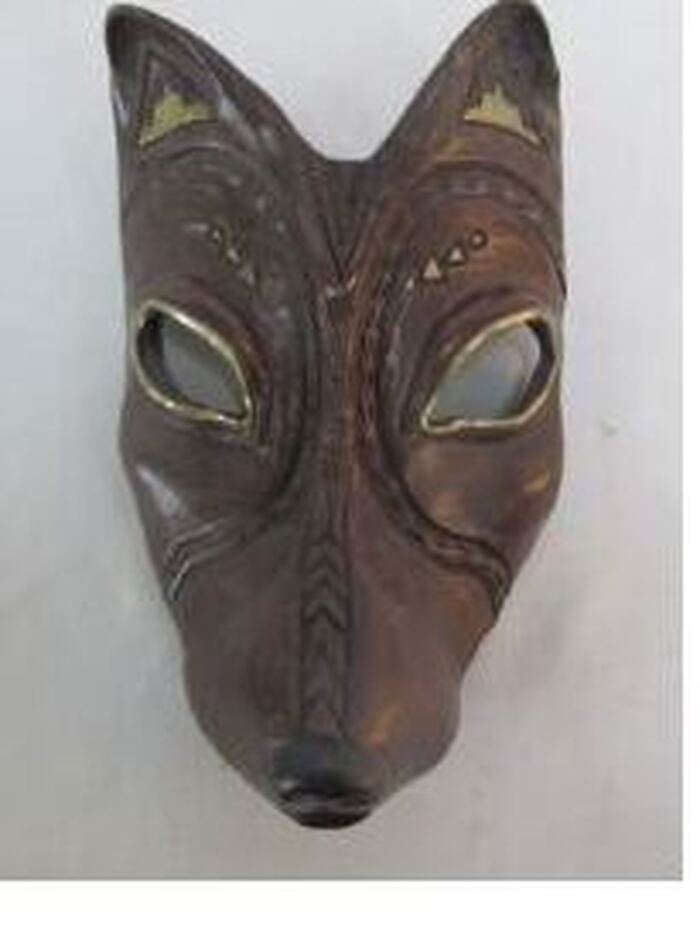
We have the privilege to feature a few sculptural works by the esteemed Pacific NW Native American contemporary artist, Lillian Pitt. It's a collection of clay masks capturing the spirit of characters from tales that have been told by her ancestors for thousands of years. She is one of the most highly regarded Native American artists in the Pacific Northwest. Her works have been exhibited and reviewed regionally, nationally, and internationally, including being displayed in numerous public spaces such as parks, schools, and cultural institutions. Lillian Pitt was born and raised on the Warm Springs reservation in Oregon. Her ancestors lived in and near the Columbia River Gorge for over 10,000 years, and her craft seeks to honor the history and legends of her people.
"I feel totally at one with the story I want to tell when I develop a clay mask or sculpture. And I can actually feel the emotions of the pieces when I work on them. I feel the conflicts, the joys, the sorrows and the awe — all of these feelings can come out when I create clay masks or sculptures. They each take on their own unique identity, and I get attached to each and every piece."
Each mask has its own story that celebrates the Native American culture and lore that's been passed down from generation to generation. Lillian's contemporary works are all aimed at giving voice to her people, linking tradition with the modern world of art collectors and honoring the contributions they made for the world.
Warm Springs Woman
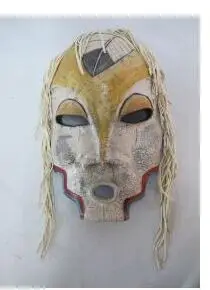
The Warm Springs tribe lived along the Columbia's tributaries and the cascades. They moved between winter and summer villages, and depended more on game, roots and berries. However, salmon was also an important staple for the Warm Springs bands and, like the Wascoes, they built elaborate scaffolding over waterfalls which allowed them to harvest fish with long-handled dip nets.
Coyote
The Trickster and Teacher, Coyote is a very important character to the Native people on the West Coast, the Great Basin area, and the Northwest Plateau. Coyote often takes on the persona of Coyote the Trickster, but Coyote can take on many other forms as well. He is, after all, a trickster! Sometimes Coyote teaches humans in ways that portray him as a fairly bad character, and at other times he takes on the form of a very decent and likable fellow.
She Who Watches
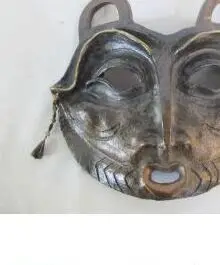
There was this village on the Washington side of the Columbia Gorge. And this was long ago when people were not yet real people, and that is when we could talk to the animals. And so Coyote — the Trickster — came down the river to the village and asked the people if they were living well. And they said: "Yes, we are, but you need to talk to our chief, Tsagaglal. She lives up in the hill."
The Eagle
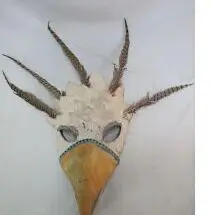
In most Native cultures, eagles are considered medicine birds with impressive magical powers, and play a major role in the religious ceremonies of many tribes. Eagle serves as a messenger between humans and the Creator. Northwest Coast tribes dust the floor with eagle down for feasts and ceremonies as a symbol of peace and hospitality.
The Stick Spirits
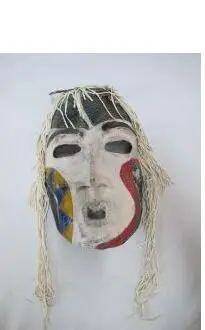
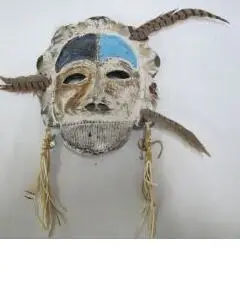
Stick Indians (or Stick Spirits) are malevolent and extremely dangerous forest spirits. Details about Stick Indians vary from tribe to tribe: they are described as large, hairy bigfoot-like creatures by the Salish, and as forest dwarves by the Cayuse and Yakama. In some traditions, Stick Indians have powers to paralyze, hypnotize, or cause insanity in hapless humans, while in others, they merely lead people astray by making eerie sounds of whistling or laughter in the woods at night.
You can shop our collection of Lillian Pitt masks at our online store — Shop.GaryGermer.com